










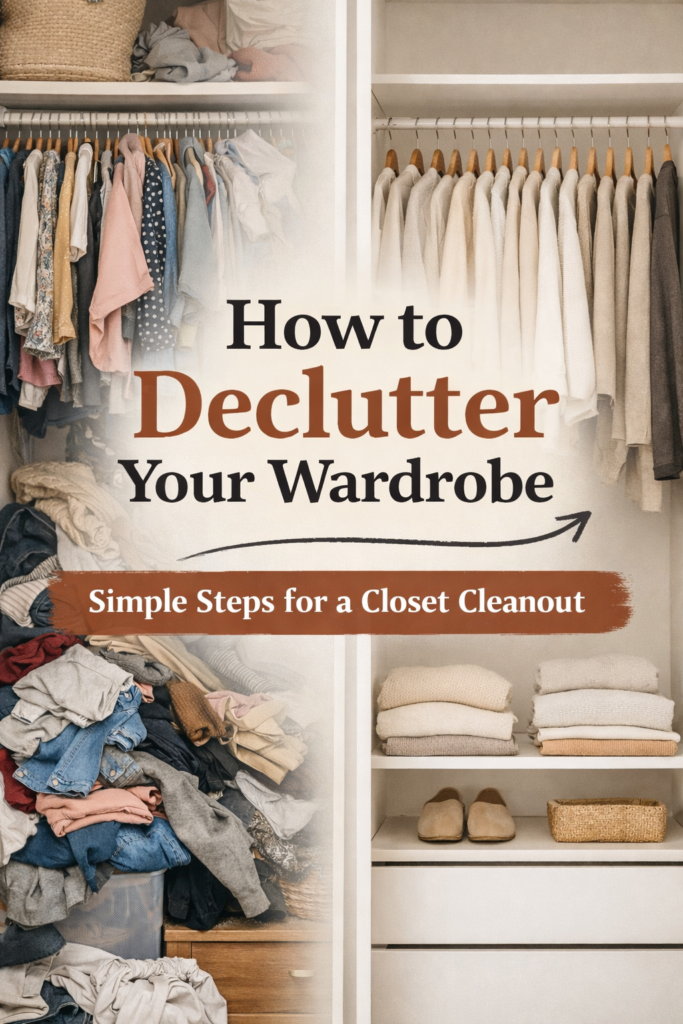
Decluttering your wardrobe can feel intimidating, especially when every hanger seems to carry a memory or a “what if” attached to it. But it doesn’t have to be dramatic or exhausting—this is about creating ease, not pressure.
Instead of chasing a picture-perfect closet, focus on building a wardrobe that supports your everyday life. When your clothes work with you instead of against you, getting dressed becomes calmer and more enjoyable.
This is where you pause, take a breath, and gently shift into the next part of the story.
Why Decluttering Your Wardrobe Matters
Before jumping into the process, it helps to understand why decluttering your wardrobe can make such a big difference in your daily routine.
When your closet is full of clothes you rarely wear, getting dressed can actually become harder. Too many options often lead to frustration, outfit changes, and wasted time.
A simplified wardrobe helps you start your day with more clarity. Instead of digging through piles of clothing, you can quickly find pieces you love and feel good wearing. Over time, this small change can reduce stress and make your mornings feel calmer and more organized.
Decluttering isn’t about owning the fewest clothes possible—it’s about keeping the ones that genuinely support your lifestyle.
Let’s walk through a few simple steps that will help you clear your wardrobe in a calm and manageable way.
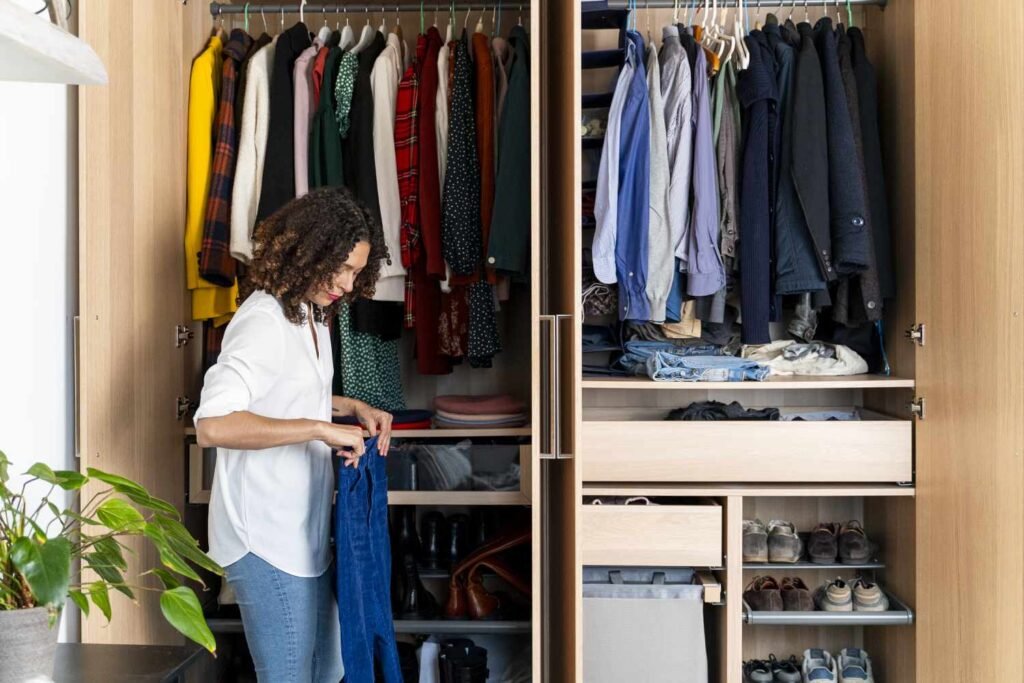
Simple Steps to Declutter Your Wardrobe
Decluttering your wardrobe doesn’t have to happen all at once. The goal is simply to make thoughtful decisions about what stays and what no longer serves you.
Step 1: Start by Taking Everything Out
The first step is simple but powerful—take everything out of your wardrobe.
Seeing all your clothes in one place can be surprising. Many people don’t realize how much they own until everything is laid out in front of them.
This step helps you reset your closet and gives you a fresh starting point.
Step 2: Sort Your Clothes Into Simple Categories
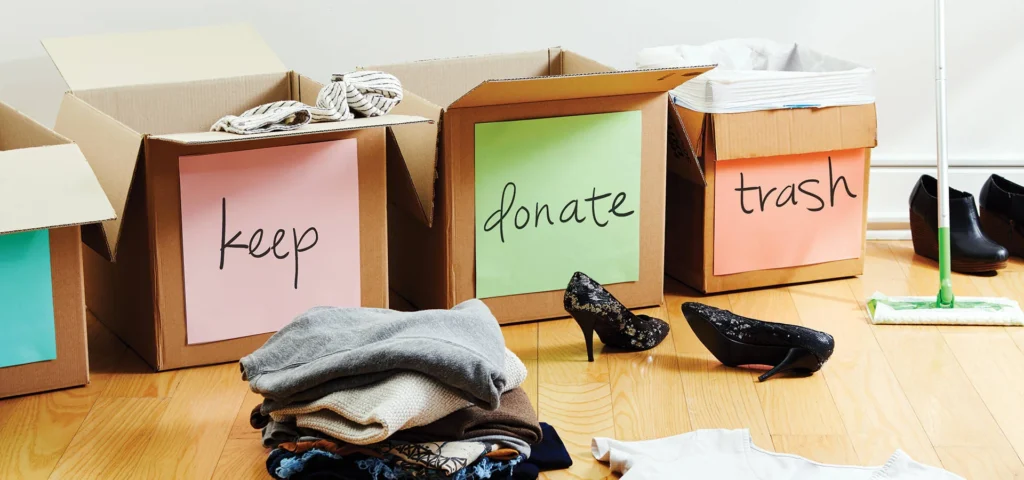
Once everything is out, start creating a few simple piles.
You can sort your clothes into categories such as:
• Keep
• Donate
• Sell
• Maybe
This makes the decision process much easier. Instead of overthinking every item, you’re simply deciding which category it belongs in.
Step 3: Ask Yourself a Few Honest Questions
If you’re unsure about an item, asking yourself a few simple questions can help.
For example:
• Have I worn this in the past year?
• Does it still fit comfortably?
• Does it match my current lifestyle?
• Do I feel confident when I wear it?
If the answer is no to most of these questions, it might be time to let it go.
Step 4: Focus on the Clothes You Actually Wear
Most people regularly wear only a small portion of their wardrobe.
Pay attention to the items you reach for again and again. These pieces usually reflect your real style and daily needs.
By prioritizing these clothes, your wardrobe naturally becomes easier to manage.
Step 5: Organize What You Decide to Keep
Once you’ve chosen what stays, it’s time to put everything back in an organized way.
Try keeping things simple. You might arrange your clothes by:
• Clothing type (shirts, pants, dresses)
• Color
• Season
The goal is visibility. When you can clearly see your clothes, getting dressed becomes much easier.
Step 6: Give Unwanted Clothes a Second Life
Clothes that no longer work for you can still be useful to someone else.
Instead of throwing them away, consider:
• Donating to local charities
• Selling items online
• Passing them on to friends or family
Letting go can feel easier when you know the clothes may still be appreciated by someone else.
Step 7: Make Decluttering a Small Habit
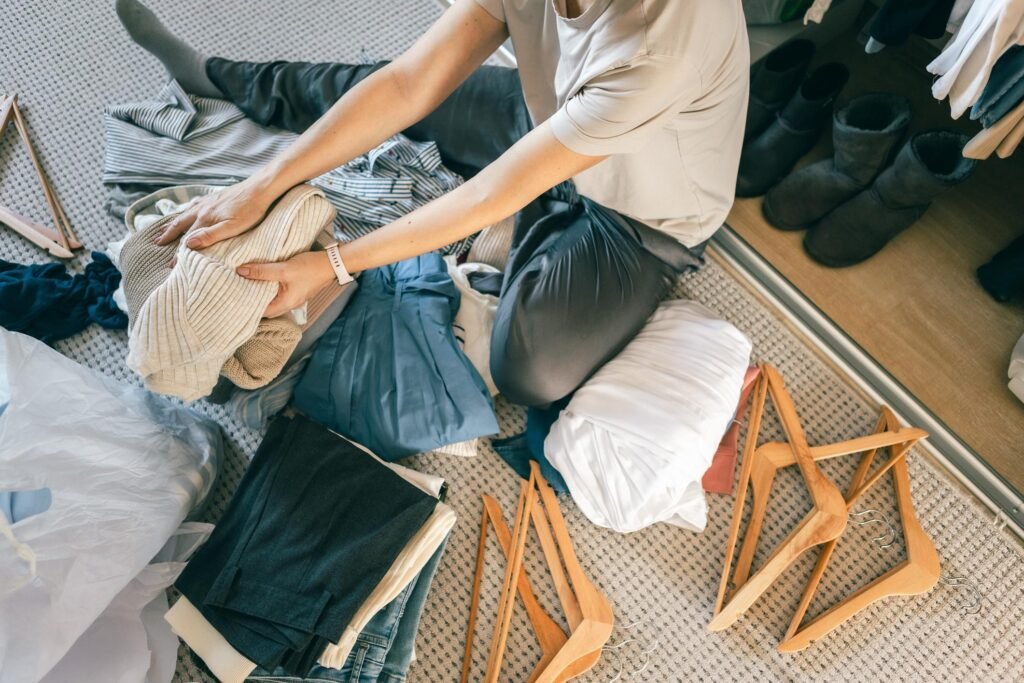
Decluttering doesn’t need to be a one-time event.
A quick wardrobe check every few months can help keep things balanced. As seasons change or your lifestyle evolves, your clothing needs may change too.
Making small adjustments regularly keeps your wardrobe feeling fresh without requiring a big cleanout every time.
Mindset Tips for Letting Go
Letting go of clothes can sometimes feel emotional, especially if an item carries memories or was an expensive purchase.
It helps to remember that the value of clothing comes from wearing it, not simply storing it.
If something no longer fits your life or makes you feel good, it’s okay to release it. Your wardrobe should support the person you are today, not the version of yourself from years ago.
Focusing on comfort, confidence, and practicality often leads to a wardrobe that feels much more enjoyable to use.
How to Maintain a Clutter Free Wardrobe
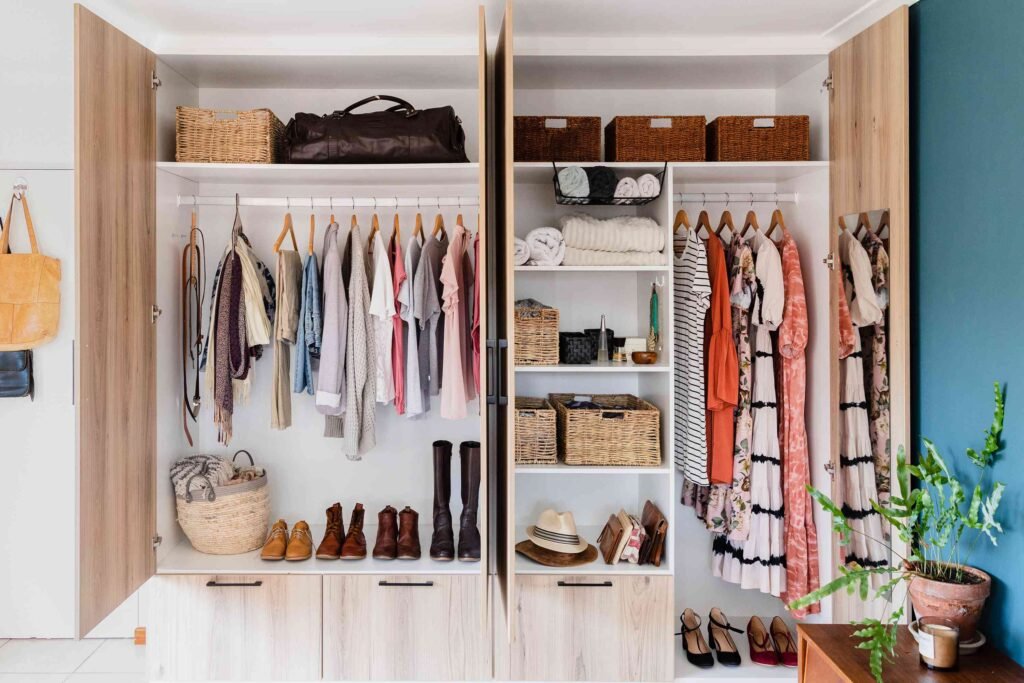
Once your wardrobe is decluttered, maintaining it becomes much easier.
Small habits can make a big difference. For example, if you buy a new clothing item, consider letting go of something you no longer wear.
Seasonal wardrobe reviews can also help prevent clutter from building up again.
The goal isn’t perfection—it’s simply creating a wardrobe that feels calm, organized, and easy to use every day.
Final Thoughts
Decluttering your wardrobe is less about strict rules and more about creating a space that supports your daily life.
When you remove clothes that no longer serve you, what remains becomes easier to see, easier to wear, and easier to enjoy.
A thoughtfully organized wardrobe saves time, reduces decision fatigue, and helps you feel more confident in what you wear. Over time, these small changes can make getting dressed one of the simplest parts of your day.