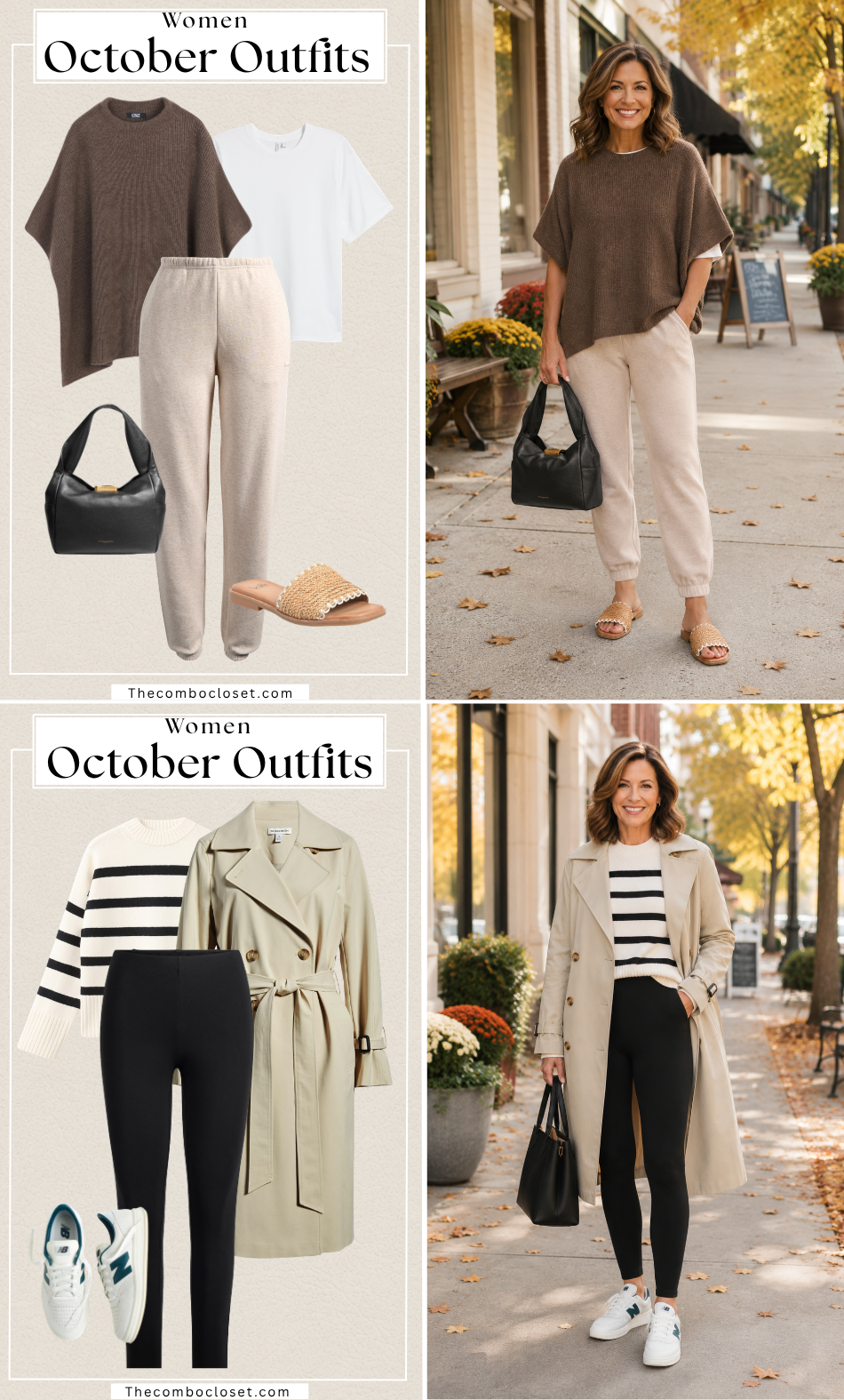




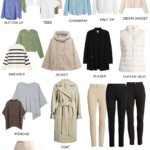





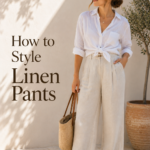
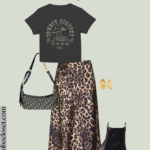

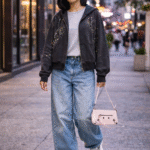

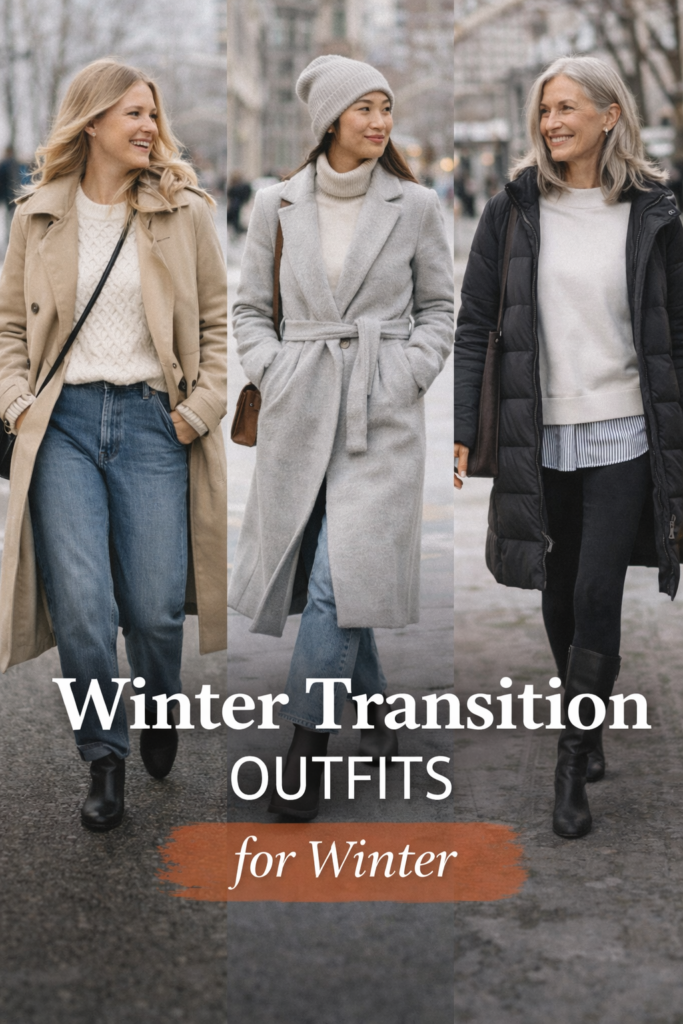
Winter-to-spring dressing can feel tricky with cold mornings and warmer afternoons. Transition outfits help by mixing cozy layers with lighter pieces, so you stay comfortable all day.
It’s all about balance—warm enough early on, breathable later. With a few versatile layers, getting dressed between seasons becomes simple and stress-free.
The transition from winter to the next season calls for smart layering and pieces that adapt to changing temperatures.
Classic Winter Transition Looks for Effortless Everyday Style
Dressing between seasons is all about smart layering that looks polished without feeling heavy. Long coats, soft knits, and timeless accessories create outfits that adapt easily from chilly mornings to milder afternoons.
These winter transition looks focus on clean silhouettes, neutral tones, and versatile pieces you can mix and repeat. The result is an effortless style that feels practical, comfortable, and put-together for everyday city life.
If you’re wondering what to wear as winter slowly fades, these transition outfit ideas will give you plenty of inspiration.
1. Long Coats for Polished Winter Transitions
Effortlessly refined — perfect for moving between cold mornings and mild afternoons.
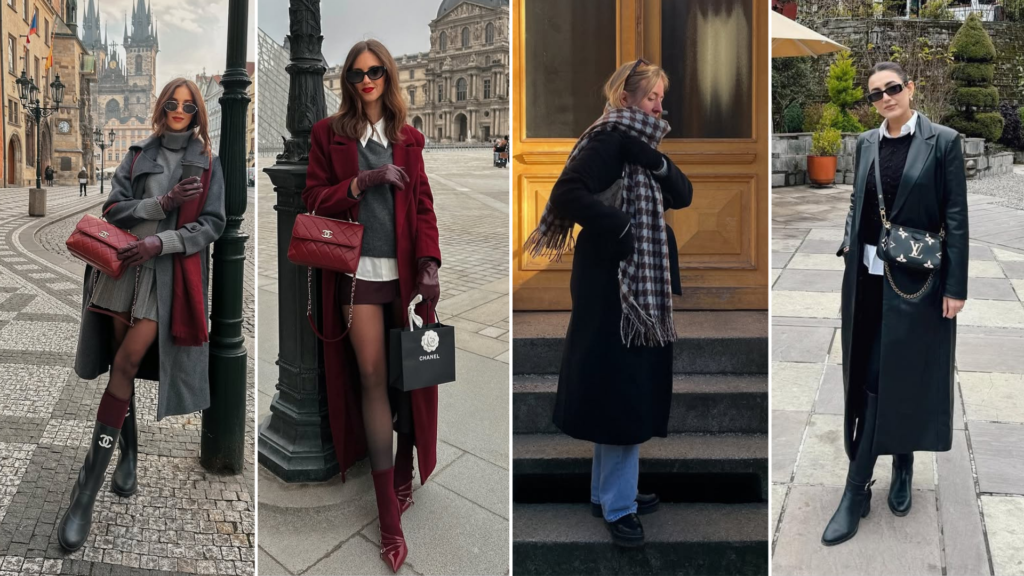
Source: @fashioninmysoul @fashioninmysoul @liesahna @rubalwadhwa
- Strong outfit foundation: Long coats add structure and instantly elevate simple winter transition looks without heavy layering.
- Easy layering balance: Pairing coats with knits, shirts, or light sweaters keeps outfits warm yet breathable through changing temperatures.
- Functional accessories: Scarves, gloves, and structured bags provide extra warmth and style while remaining easy to remove as the day warms up.
- Practical finishing touches: Boots or loafers complete the look, making these outfits comfortable, versatile, and suitable for everyday wear.
2. Skirts & Dresses for Easy Winter Transitions
Soft layers and feminine silhouettes — ideal for staying warm without heavy winter bulk.
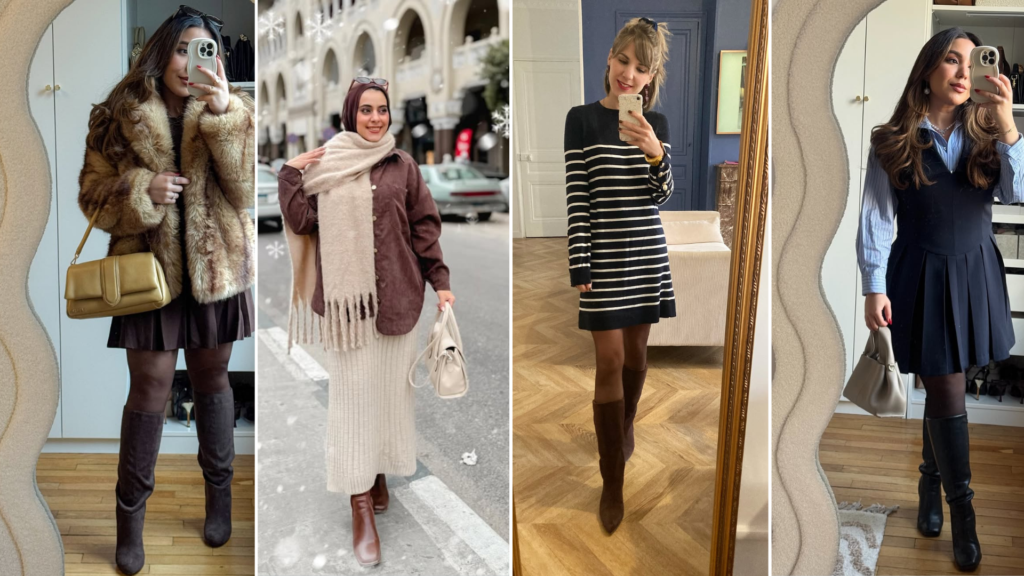
Source: @igbysalma @mayar._.mahmoud @vanxss_prn @igbysalma
- Cozy texture play: Faux fur, knits, and soft fabrics add warmth while keeping outfits visually light and season-appropriate.
- Layering-friendly silhouettes: Midi skirts and knit dresses pair easily with scarves, jackets, or light outerwear for temperature shifts.
- Balanced proportions: Boots ground the look, adding warmth and structure while keeping outfits practical for everyday wear.
- Versatile styling: These pieces work for casual days, city outings, or relaxed events, making them reliable staples for in-between seasons.
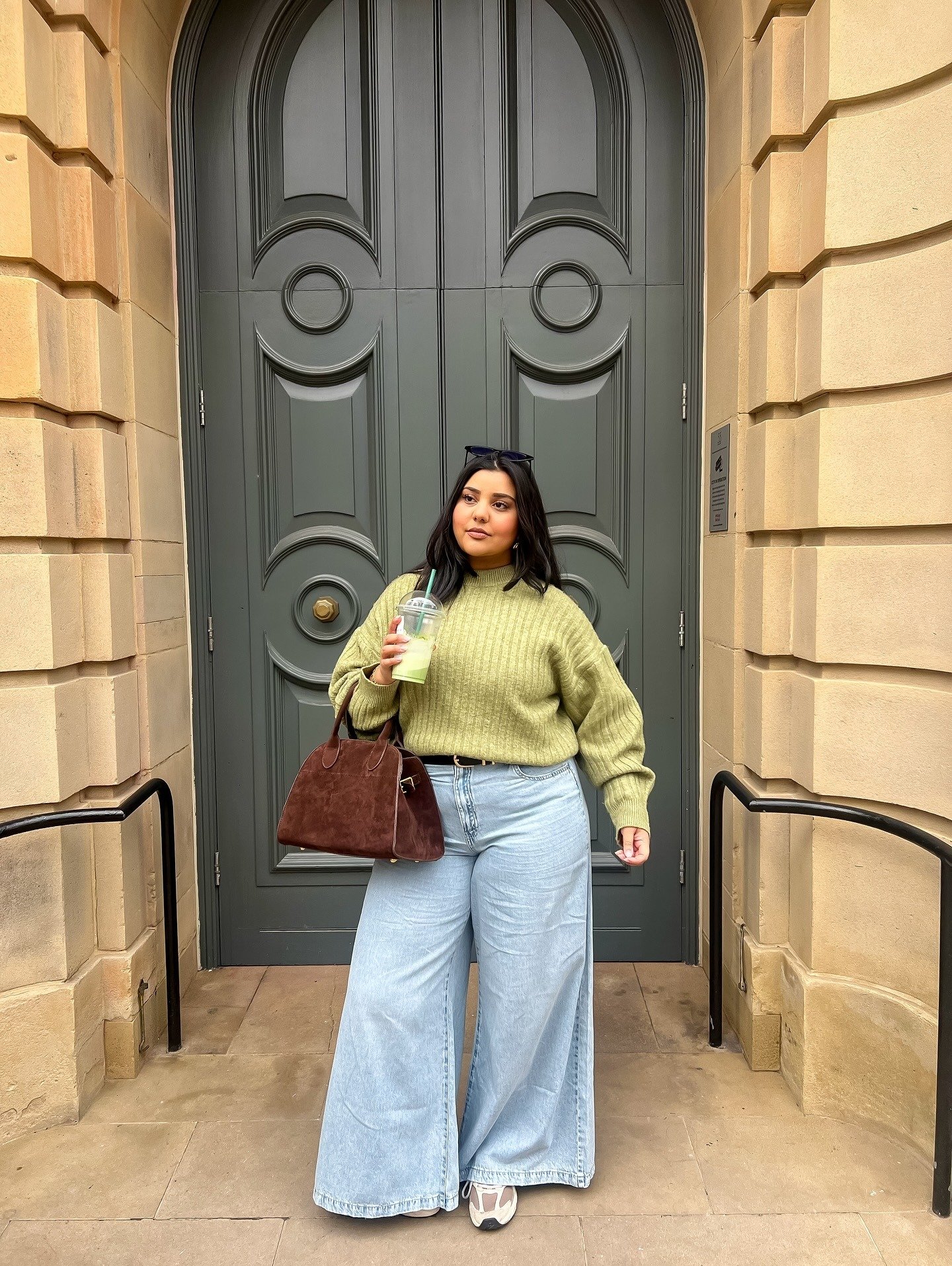
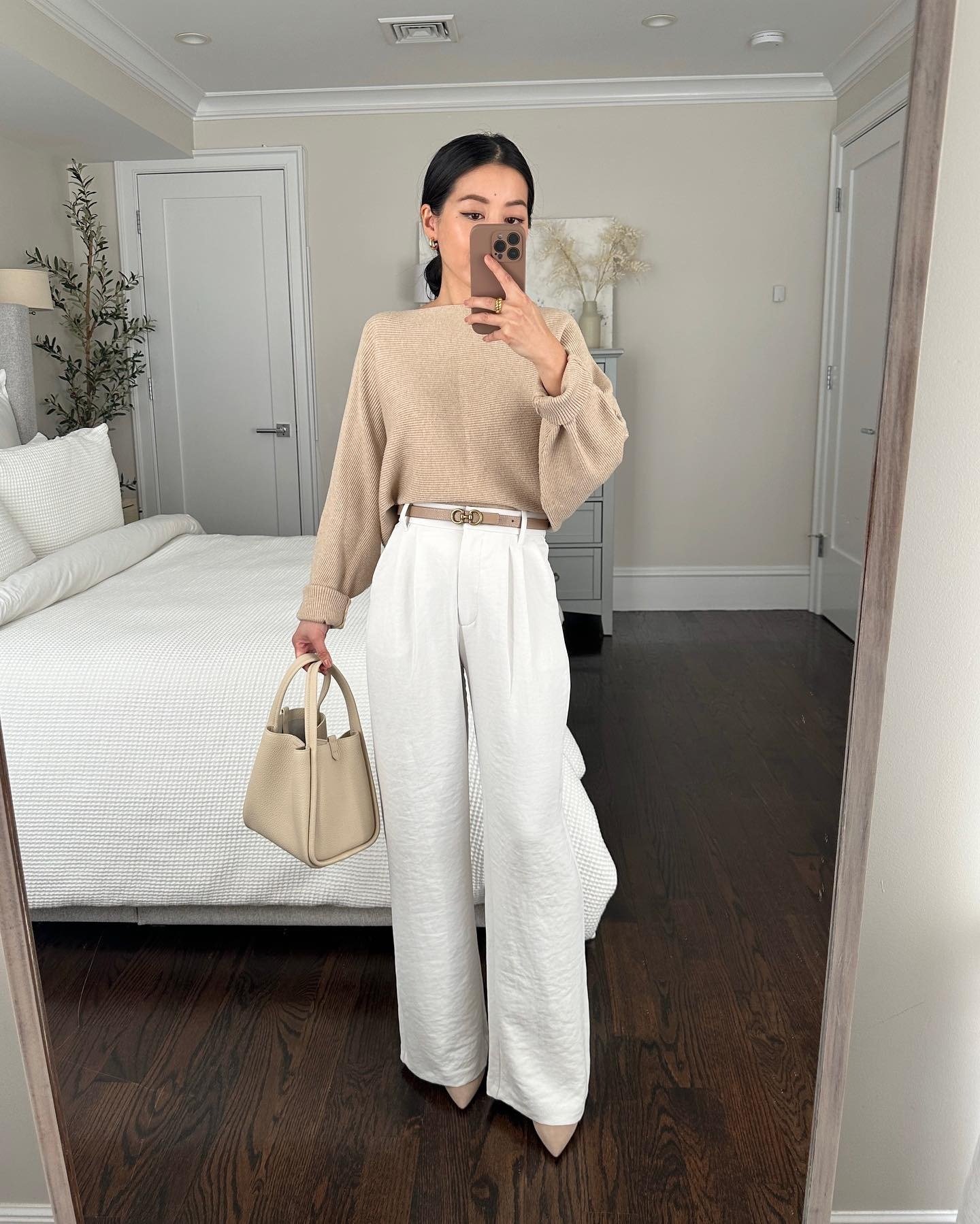
3. Light Layers for Casual Winter Transitions
Relaxed, wearable pieces — perfect for everyday comfort as seasons begin to shift.
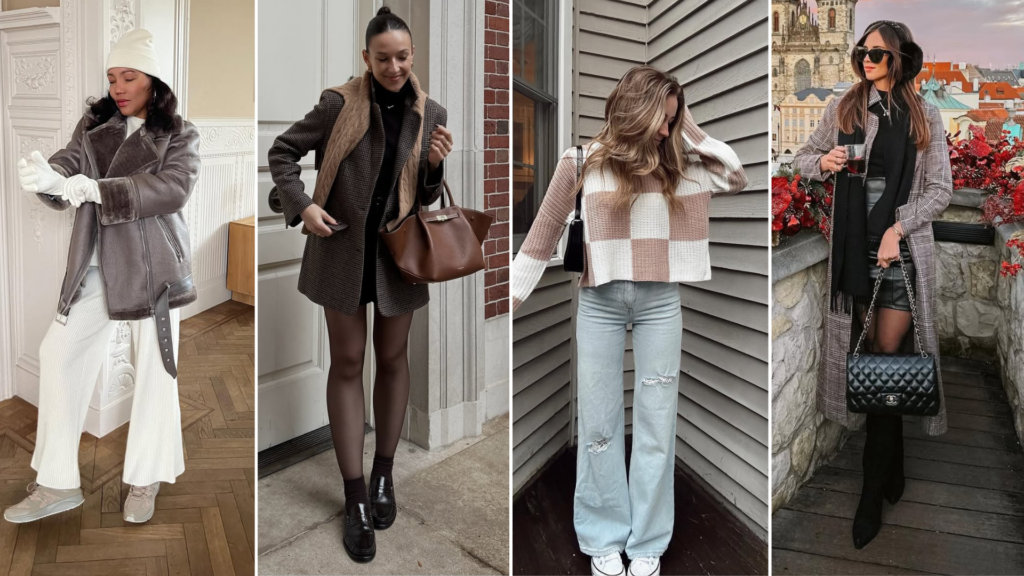
Source: @rosalia_guzman_9 @leana.esch @livingfor.meg @fashioninmysoul
- Soft outer layers: Lightweight jackets and coats provide warmth without feeling heavy, making them ideal for fluctuating temperatures.
- Casual base outfits: Knit tops, sweaters, and easy denim keep the look comfortable while still feeling intentional and styled.
- Neutral color palette: Beige, brown, grey, and soft checks blend easily, allowing simple mix-and-match styling.
- Everyday practicality: Finished with flats, sneakers, or ankle boots, these outfits work effortlessly for errands, walks, and casual outings.
4. Cozy Casuals for Winter-to-Season Transitions
Comfort-first layers with playful touches — perfect for relaxed days and off-duty styling.
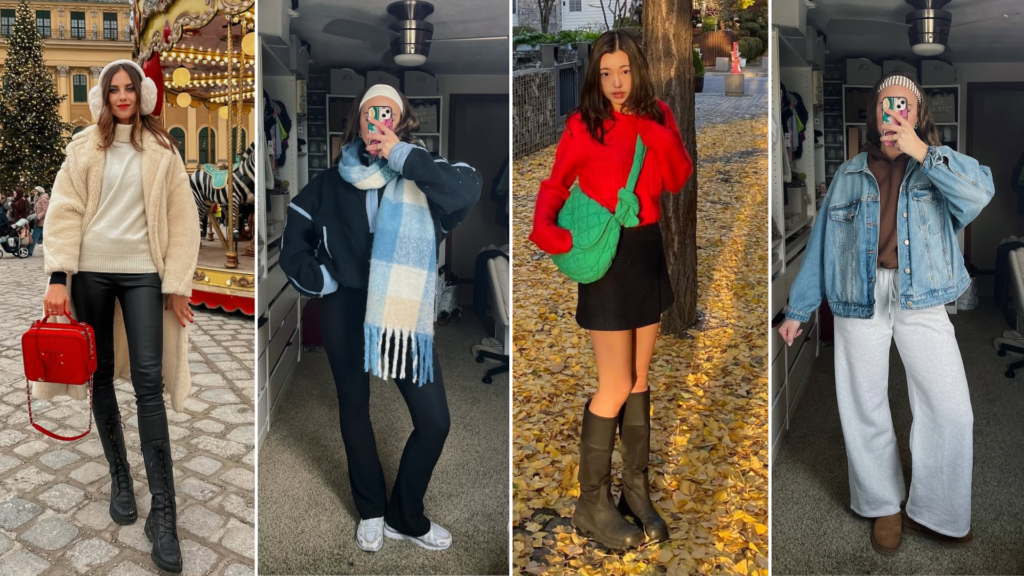
Source: @fashioninmysoul @lily.magss @chaaemonie @lily.magss
- Warm yet relaxed layers: Fleece coats, padded jackets, and knits keep outfits cozy without feeling overly structured.
- Easy everyday bases: Sweaters, leggings, mini skirts, and joggers create comfortable foundations that suit changing temperatures.
- Pop of color styling: Bright knits or statement bags add freshness and energy to otherwise neutral winter looks.
- Laid-back footwear choices: Sneakers or boots complete these outfits, making them practical for walks, errands, and casual outings.
Together, these looks show how smart layering and versatile pieces make winter transition dressing easy, comfortable, and effortlessly stylish for everyday wear.
How to Build Effortless Winter Transition Outfits
Winter transition dressing is all about flexibility, comfort, and smart layering. The right pieces help you stay warm without feeling overdressed as the season begins to shift.
- Layer with intention: Start with light base layers like knits or tees, then add removable pieces such as scarves, jackets, or cardigans. This allows you to adjust easily as temperatures change throughout the day.
- Choose versatile outerwear: Opt for coats and jackets that work both open and closed. Mid-weight coats, denim jackets, and padded layers offer warmth while still feeling season-appropriate.
- Balance proportions: Pair heavier pieces with lighter silhouettes to keep outfits visually balanced. For example, style oversized coats with fitted bottoms or relaxed tops with structured shoes.
- Stick to mix-and-match colors: Neutrals with occasional pops of color make outfit repetition simple. This approach helps create multiple looks without needing extra pieces.
- Prioritize comfort and movement: Transitional outfits should support daily activities like walking, errands, or travel. Comfortable footwear and breathable fabrics ensure ease without sacrificing style.
Styling Tips to Make Winter Transitions Effortless
Transition dressing works best when outfits are practical, repeatable, and comfortable. A few mindful styling choices can help your winter wardrobe adapt smoothly to changing weather.
- Focus on removable layers: Scarves, light jackets, and cardigans allow you to add or remove warmth as needed. This keeps outfits flexible from cold mornings to warmer afternoons.
- Mix winter and lighter fabrics: Pair cozy knits with breathable cottons or lightweight denim to avoid feeling overdressed. This balance makes outfits feel season-appropriate without losing warmth.
- Reuse core wardrobe staples: Long coats, sweaters, boots, and neutral bottoms can be styled in multiple ways. Repeating these essentials simplifies dressing while still looking intentional.
- Keep footwear practical: Choose boots, sneakers, or loafers that work in varied temperatures and walking conditions. Comfortable shoes make transition outfits functional for everyday life.
- Let accessories do the work: Bags, belts, and subtle color accents refresh familiar outfits. They add interest without requiring extra layers or new clothing pieces.
Final Thoughts
Winter transition outfits are all about finding balance between warmth and ease. With smart layering and versatile staples, getting dressed feels simple even when the weather is unpredictable.
By mixing cozy pieces with lighter layers, you create outfits that work throughout the day. This approach keeps your style comfortable, repeatable, and effortlessly put-together as seasons change.